
No two plants are the same!
If you’re not a plant expert, starting a garden may be difficult – and that’s okay! Honestly, sometimes even if you are an expert, there are challenges to be faced when starting a garden that might leave you with many questions. Gardening, landscape designing, and horticultural curation are all practices that take time and usually begin with a lot of learning. After all, plants are living things! No two plants are truly exactly the same. They have personalities, characters; they know what they like and will absolutely show you what they don’t.
Let's say you and a friend go down to the union square farmers market and buy a couple of new plants for your terrace. Despite your differences in flora preference, you both buy the same basil plant because you both share the love of the smell of fresh basil in your kitchen and the flavor that it adds to family favorite recipes.
So you both purchase this small quart-size pot of basil from the same vendor – at the same time. After a couple of weeks go by, you notice that your basil plant hasn’t really grown much, despite all of the tender love and care that you have put forward toward its success. For some reason, your terrace isn’t doing too much for the little basil plant. “I get plenty of sun”, you think to yourself, attempting to figure out what might be the cause for this lack of change in the growth of your basil. After all, the plant isn’t dying, it’s just not as strong as you had expected it to be after four-weeks time in its new home. The leaves are small and not very hearty, and the smell isn’t as poignant as you remember fresh basil to be in the past. Nonetheless you continue to support your little Basil plant on its journey to success.
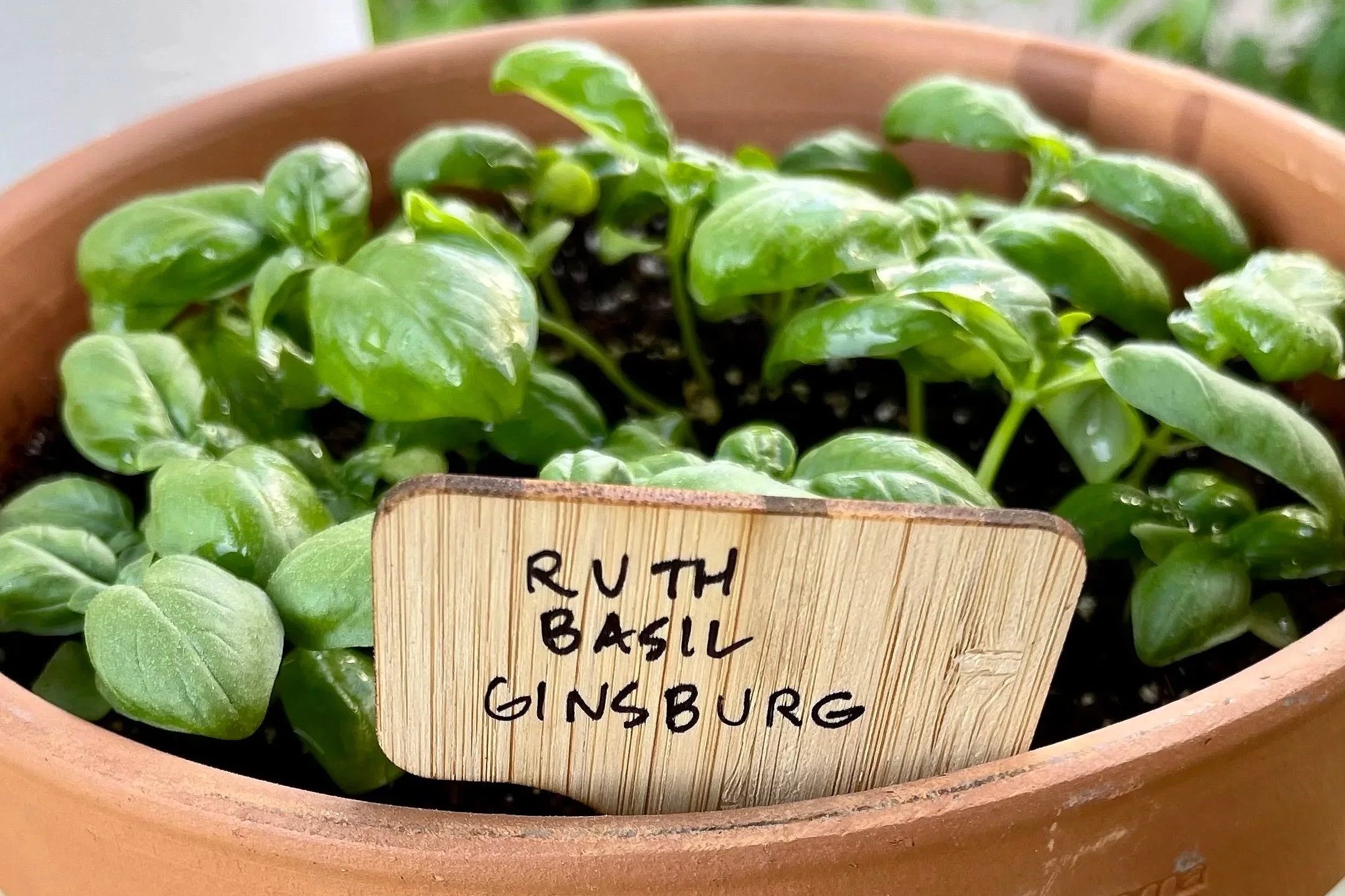
What’s wrong with my basil??
Now, your friend has invited you and a couple of other people over for brunch and the spread is immaculate; Caprese Eggs Benedict, Tomato-basil Frittatas, Bruschetta, and even basil-lime cocktails fill the room with the delightfully fresh aura of basil. It is truly unbelievable . “All of this basil certainly can’t be from the little plants we got from the farmers market”, you think to yourself. But in-fact it is. “You wouldn’t believe what inspired my culinary pursuit for brunch!”, your friend explains while excitedly welcoming you into their home, “I don’t know how they started that basil we got at the market but It is unlike anything I have ever seen before”, they further explain, “The smell! The texture! The FLAVOR! We have to go to that little stand again because I have never seen anything like this!”. You in your disbelief, although extremely happy for your friend and the success of their plant, begin to develop a bit of jealousy. “What is wrong with my plant?”, you worry inwardly, “It has barely grown more than two or three leaves…and they have a whole spread.”
This, little story is an example of phenotypic plasticity, and we see the results of this term ALL OF THE TIME, whether we recognize it or not. Phenotypic plasticity, is the ability for two living things that are the same to change their physical traits without altering their DNA. For instance, the shape of their leaves, size, time of flowering all become traits that change without alteration of the plant’s genetic makeup, or its phenotype. Most often, these differences can take effect by result of even the smallest environmental differences, for example; the amount of CO2 in the environment, the amount of water or even type of water that a plant receives, and the amount of sunlight. Phenotypic Plasticity is how plants manage survival; it is their natural response to unpredictable environmental changes.
Sometimes it’s more than right plant, right place
In the story of you and your friend with the basil, perhaps your friend's terrace gets west-facing light, and you are getting north light. Both may provide to be sufficiently lit terraces, but a basil plant thrives best in full and bright sun for at least 6-8 hours. Perhaps there is a difference in atmospheric gasses between the two terraces as well. Your friend's terrace has higher CO2 levels than yours, which increases basil’s biomass by 40-80%, improving its rate of photosynthesis and reducing stress. All of these factors make a difference!
An Adaptive Strategy for Heterogeneous Environments
So, the next time you and your friend go shopping for plants, and you begin to feel a little weary when comparing the success of their plants to yours, just remember, again, that plants are living things! They adapt and they change, just like you and I, and that is okay. Be happy for your little basil plant however it grows, because it is yours and your tender love and care is keeping it alive and well.
- post by Keren Dillard-Taylor
